Power Outages Don’t Wait for Winter: Is Your Backup Power Ready?
September is National Preparedness Month, but preparedness doesn’t have to mean building a bunker or stocking enough canned food to last until spring.
Sometimes it simply means knowing what you’ll do if the power goes out tonight.
Here in Colorado, September sits in that unpredictable stretch between summer heat and the first real signs of winter. A warm afternoon can give way to an overnight freeze. High winds, thunderstorms, early snow, and equipment failures can all interrupt electrical service. And sometimes this happens with little warning.
That makes late summer and early fall a smart time to take a closer look at your backup-power plan.Start With What You Need to Keep Running
A short outage may be little more than an inconvenience. A longer one can affect your food, comfort, communications, and ability to work from home.
Before choosing a generator, make a list of what you would need to power during an outage. Depending on your home or business, that might include:
-
Refrigerator and freezer
-
Furnace blower or boiler
-
Well pump or sump pump
-
Medical equipment
-
Internet modem and essential electronics
-
Security systems
-
Garage door opener
-
Selected lights and outlets
-
Business equipment or point-of-sale systems
Inspect the Generator You Already Own
If you already have a portable generator, don’t wait for an outage to discover that it has been sitting too long.
Take a few minutes to inspect the unit, review its operating instructions, and check its oil, fuel system, battery and filters as applicable. Look over your extension cords and make sure they are appropriately rated for the equipment and conditions in which they will be used.
Start the generator and allow it to run according to the manufacturer’s recommendations. If it struggles to start, runs unevenly, or shows signs of damage, address the problem while parts and service are still readily available.
This is also a good time to replenish routine maintenance items. Rocky Mountain Generator Supply carries a wide selection of generator parts, filters, maintenance supplies, and accessories to help you get your equipment ready before it is needed.
Make Generator Safety Part of the Plan
A portable generator should always be operated outdoors and well away from the building. The CDC recommends placing portable generators more than 20 feet from windows, doors, and vents to help prevent carbon monoxide from entering the home. Never operate one inside a house, basement, garage, or other enclosed space — even if a door or window is open.
Homes using portable generators should also have working carbon monoxide detectors with battery backup.
Just as importantly, never connect a portable generator directly to a household outlet. This practice, often called “backfeeding,” can create a serious risk for utility workers, neighbors and electrical equipment. If you want a generator to supply selected household circuits, have the appropriate transfer equipment installed by a qualified professional.
The safest time to determine where your generator will operate and how your equipment will connect is before the lights go out.
Think About Fuel Before You Need It
A generator cannot help if you do not have the right fuel available.
Know what type of fuel your unit requires, how much it consumes, and how long you can safely store that fuel. Follow all manufacturer instructions and local requirements for fuel storage. Gasoline and other fuels should never be stored in living areas or near ignition sources.
During a widespread outage, gas stations may be closed, unable to operate their pumps or dealing with heavy demand. Keeping an appropriate supply on hand can eliminate an unnecessary scramble during an emergency.
Remember that fuel can degrade over time. Rotate stored fuel as needed, and use a stabilizer when recommended by the generator or fuel manufacturer.
When a Portable Generator Isn’t Enough
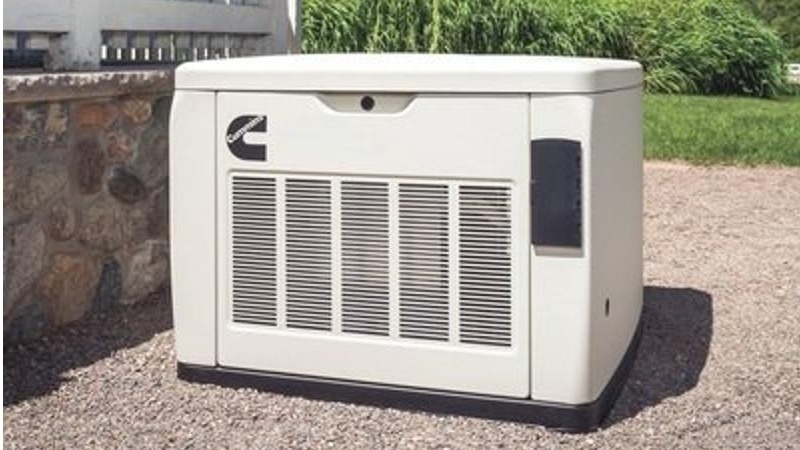
Portable generators are a practical solution for many situations, but they still require setup, fueling, and manual operation. For homeowners who want backup power to begin automatically, a permanently installed standby generator may be a better fit.
A whole-home standby generator monitors utility power and can start automatically when an outage is detected. Depending on the system’s size and configuration, it may supply selected essential circuits or support most of the home.
This can be especially valuable during a Colorado winter outage, when maintaining heat and protecting pipes becomes more urgent. It also provides additional peace of mind if an outage occurs while you are asleep, traveling, or unable to set up a portable generator.
For cold-weather applications, models such as the Cummins RS13 Quiet Connect Cold Weather generator are built with harsh conditions in mind. The Quiet Connect series combines cold-start capability with a weather-protective, sound-insulated enclosure designed for residential use.
Standby-generator sizing and installation should always be based on the home’s electrical demands, the equipment being powered, available fuel and applicable installation requirements. Bigger is not automatically better; the right system is one properly selected for the job.
A Simple Preparedness Checklist
Before September ends, try to complete these basic steps:
-
Decide which appliances and systems are essential during an outage.
-
Test your existing generator and complete any needed maintenance.
-
Check extension cords, transfer equipment, and generator accessories.
-
Confirm that smoke and carbon monoxide detectors are working.
-
Review safe generator placement with everyone in the household.
-
Verify that you have appropriate fuel stored safely.
-
Replace aging flashlights, batteries, and emergency supplies.
-
Consider whether a whole-home standby system makes sense before winter.
Preparedness is easier when it happens a little at a time. One afternoon spent checking equipment and making a plan can prevent a much more stressful night when the next outage arrives.
Prepare Now. Power Through Later.
Whether you need a portable generator, replacement parts, maintenance supplies or a cold-weather standby system, Rocky Mountain Generator Supply can help you find equipment that fits your backup-power needs.
Browse our generator selection online or call 303-777-6778 to speak with our team before the next storm puts your plan to the test.